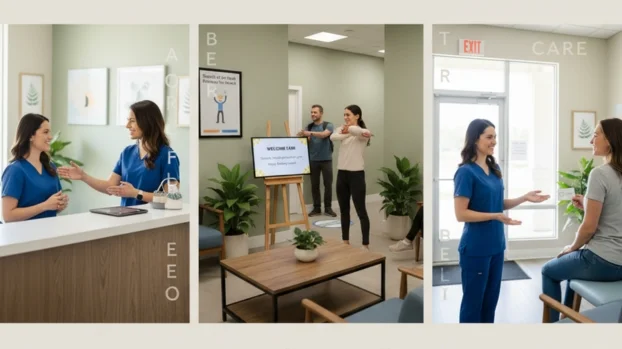
Think about the places you love visiting most, your favorite café, a gym you always return to, or a friend’s home.
What makes them special isn’t just what they offer, it’s how they make you feel.
Your chiropractic practice works the same way.
Patients don’t just commit to care because it’s effective. They commit because your practice feels comfortable, familiar, and human.
In other words a warm, memorable patient experience drives commitment to care.
A solid care plan keeps patients improving physically, but an inviting environment keeps them emotionally connected.
How they’re greeted, treated, and sent off determines whether they:
In 2025, patients have more options than ever before.
They can choose traditional healthcare, wellness centers, or even at-home care.
So why do they choose you and keep choosing you?
Because your practice feels like home.
When patients feel comfortable: They stick to care plans effortlessly
They open up and ask better questions
They share their positive experience with others
But when your practice feels cold, impersonal, or rushed they disengage.
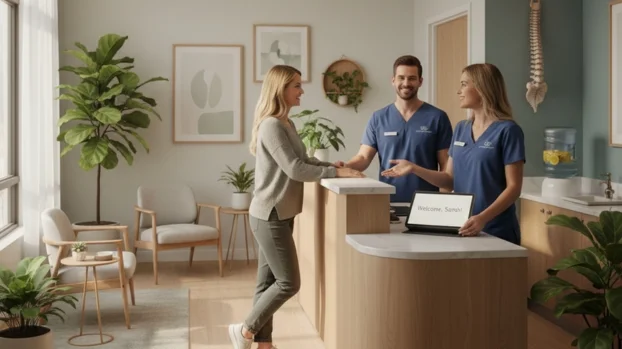
A patient who feels genuinely welcomed from the moment they walk in is far more likely to commit, trust your care, and bring others with them.
Why it matters:
The start of a visit shapes how it ends. The first five minutes define the emotional tone of the entire experience.
Patients subconsciously ask:
“Am I welcome here?”
“Do they care about me as a person?”
“Is this a place I want to return to?”
Too many practices treat check-ins as routine not as a relationship moment.
How to make patients feel instantly at ease:
Pro Tip:
Create a simple “Welcome Ritual.” A friendly question, a small comfort, or a consistent greeting style builds emotional familiarity.
The payoff:
Patients relax faster, open up more, and begin associating your practice with positive emotions not just adjustments.
Why it matters:
Familiarity builds comfort. Comfort builds loyalty.
Think about your favorite coffee shop you recognize the smell, the music, the rhythm of service. That predictability builds trust.
Your practice can do the same.
How to build familiarity:
Pro Tip:
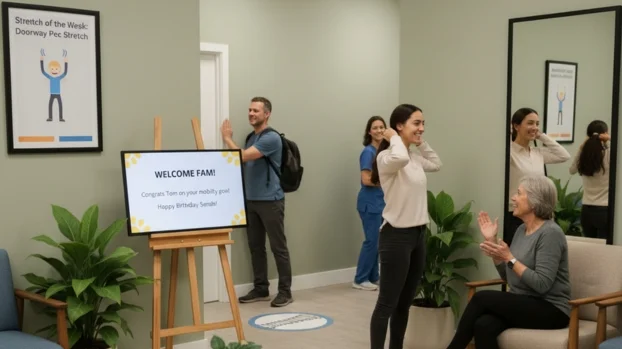
Add a “Posture Check Spot” in your waiting area. Let patients measure their progress before and after adjustments it keeps them engaged and proud of improvement.
Result:
Patients begin to feel at home. They know the routine, recognize the environment, and trust the consistency.
Why it matters:
Patients remember the last moments most vividly.
A rushed checkout can undo an entire visit of positive energy.
When a patient leaves feeling acknowledged and cared for, they come back eager not indifferent.
How to personalize goodbyes:
Pro Tip:
The impact:
Patients feel valued, understood, and motivated a perfect recipe for long-term retention and referrals.

A warm in-office experience is step one. But what happens after they leave?
Between-visit engagement is where many practices lose momentum.
That’s where Patient Pilot comes in an automation tool designed for chiropractors.
It: Sends weekly educational emails automatically
Delivers personalized follow-up reminders
Shares engaging content that reinforces patient trust
Result? Your team stays focused on care while patients stay connected and consistent without extra work.
Schedule your Patient Pilot Demo to see how automation can make engagement effortless.
A powerful chiropractic patient experience isn’t about expensive renovations or complicated tech.
It’s about intentional human moments that make people feel seen, safe, and supported.
Three shifts that transform your practice:
When your patients feel at home, they don’t just return they become your ambassadors.
Because ultimately…
It’s not just how well you adjust their spine it’s how well you make them feel.
Kamran Kazam is the Director of Billing at Rapid ClaimCare with over a decade of experience optimizing revenue cycles for chiropractic clinics, mental health practices, and multi-specialty groups. He specializes in improving clean claim rates, reducing denials, and accelerating cash flow through data-driven revenue cycle management strategies. Kamran works closely with healthcare providers to streamline billing operations, strengthen compliance, and increase collection performance without adding administrative burden.
Discover how small, intentional moments - from the first greeting to the final goodbye - turn first-time visitors into lifelong loyal patients.
Limited free strategy sessions available!
Patients often disengage not because of the quality of care but because of how the practice makes them feel. When the experience feels cold, rushed, or impersonal, patients lose their emotional connection to the clinic. A warm, welcoming environment that makes patients feel seen and valued is just as important as the adjustment itself for long-term retention.
The first five minutes of every visit set the emotional tone for the entire experience. Greeting patients by name, using warm body language, and training front desk staff to connect rather than just process creates an immediate sense of belonging. Patients who feel genuinely welcomed from the moment they walk in are far more likely to stick to their care plan and refer others.
Familiar touchpoints like a welcome board celebrating patient wins, a stretch of the week in the waiting area, and a consistent end-of-visit recap create a sense of comfort and predictability. When patients recognize the routine and environment of your practice, they begin to trust it the same way they trust their favorite local café or gym, and that trust translates directly into loyalty.
Patients remember the last moments of a visit most vividly, so a rushed or generic goodbye can undo an entire positive experience. Acknowledging progress before they leave, previewing their next visit with enthusiasm, and ending with something personal and memorable transforms checkout from a transaction into a meaningful close that motivates patients to return eagerly.
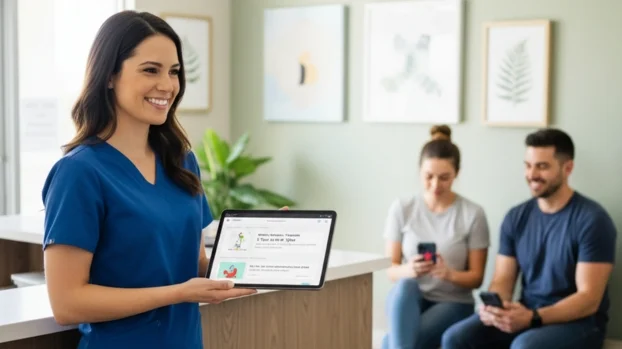
Automated patient engagement tools like Patient Pilot can send weekly educational emails, personalized follow-up reminders, and trust-building content on autopilot. This keeps patients connected and consistent between visits while your team stays fully focused on delivering great in-clinic care without taking on extra administrative work.